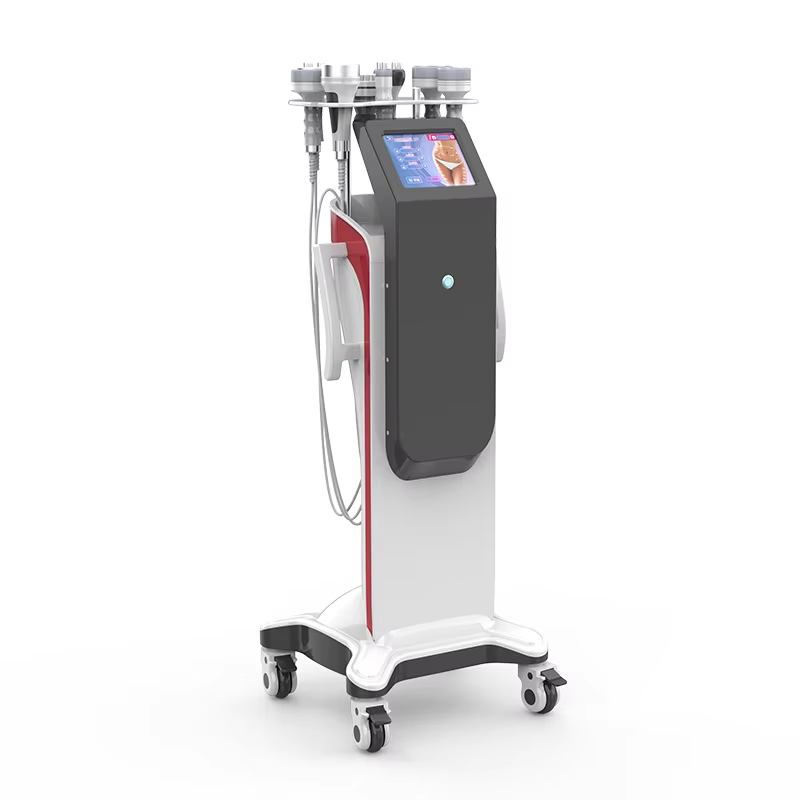
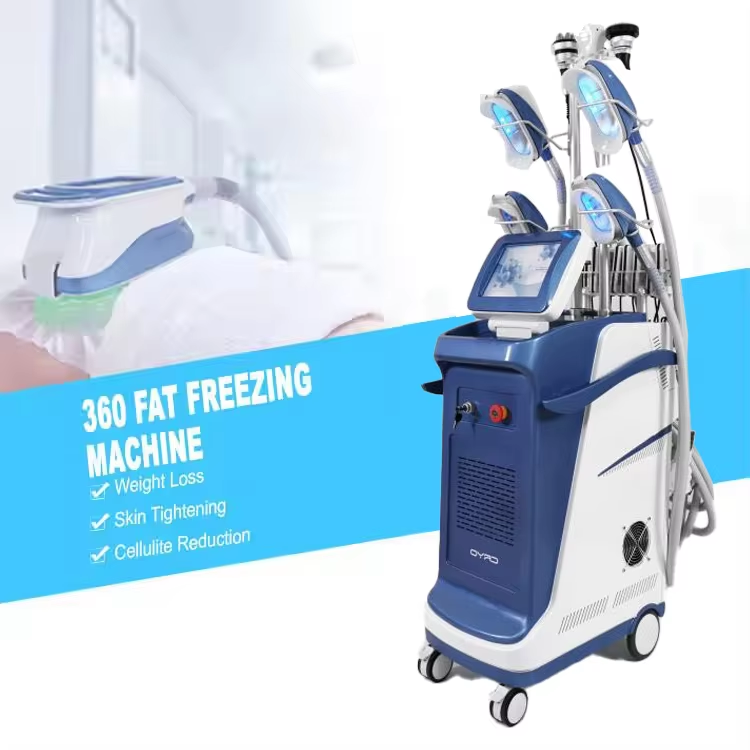
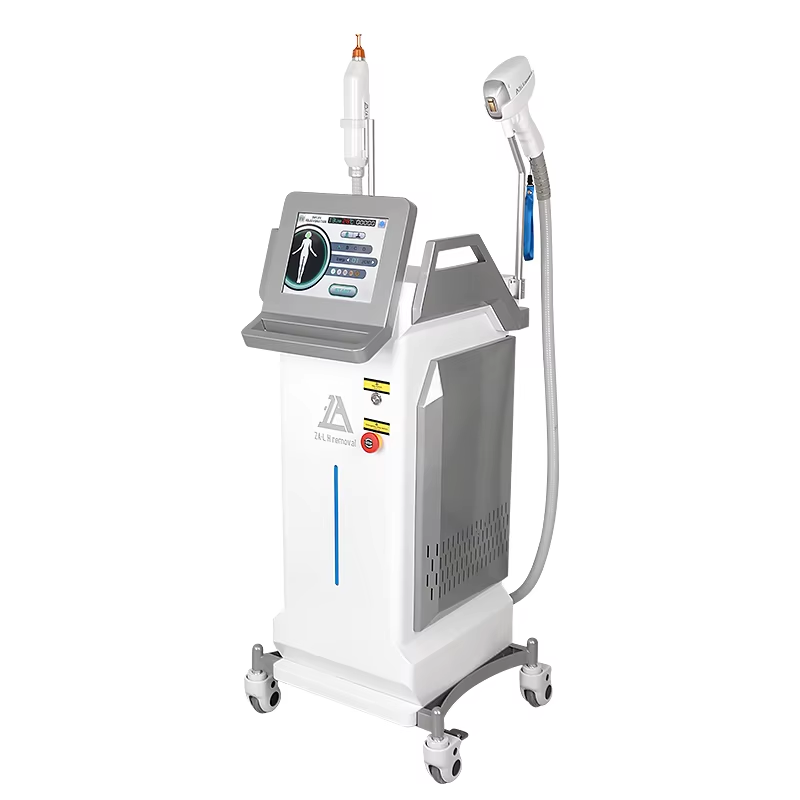
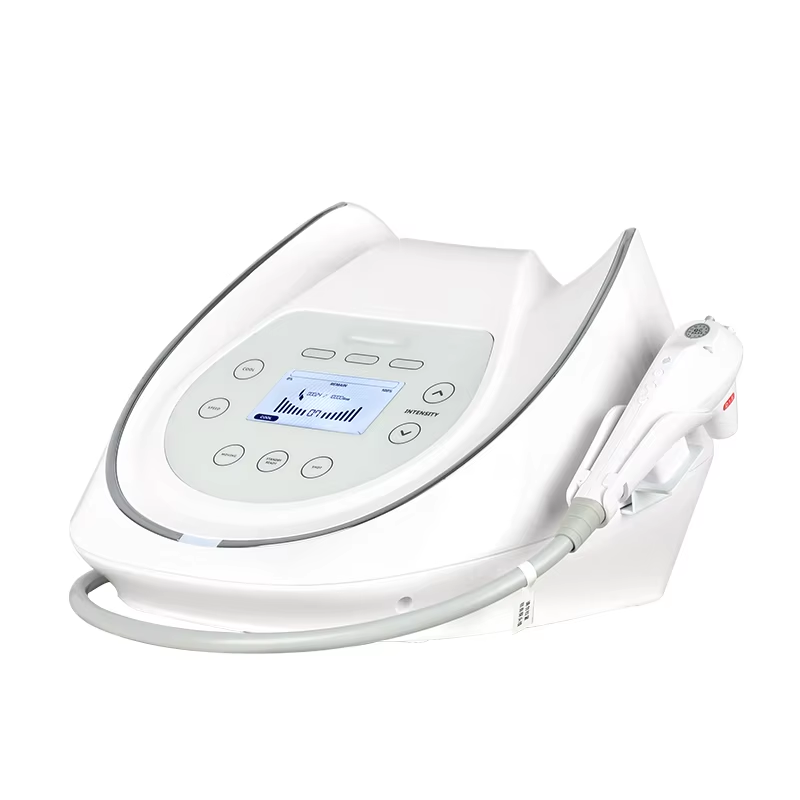
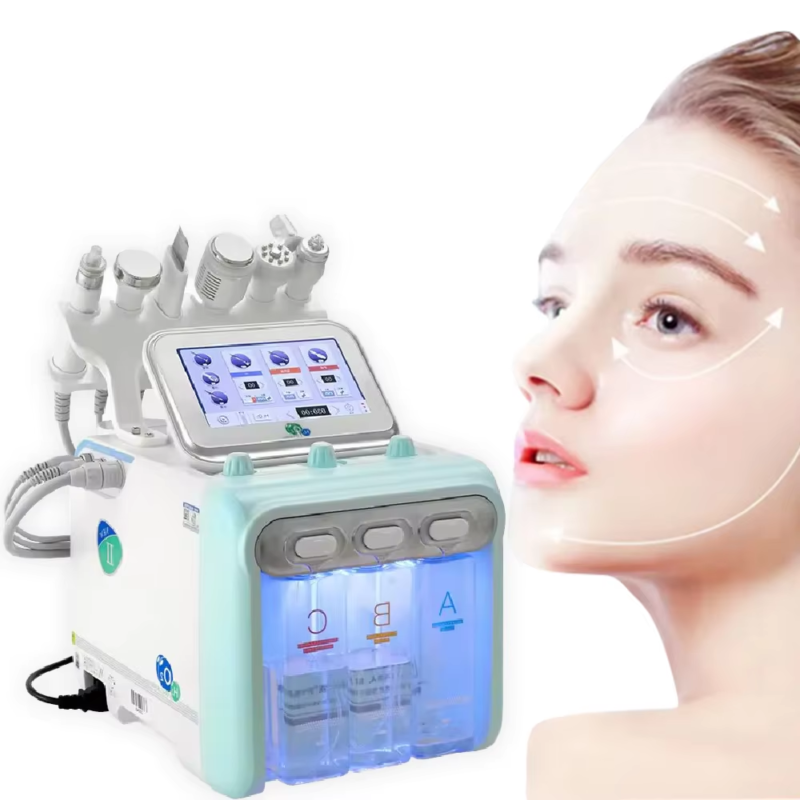
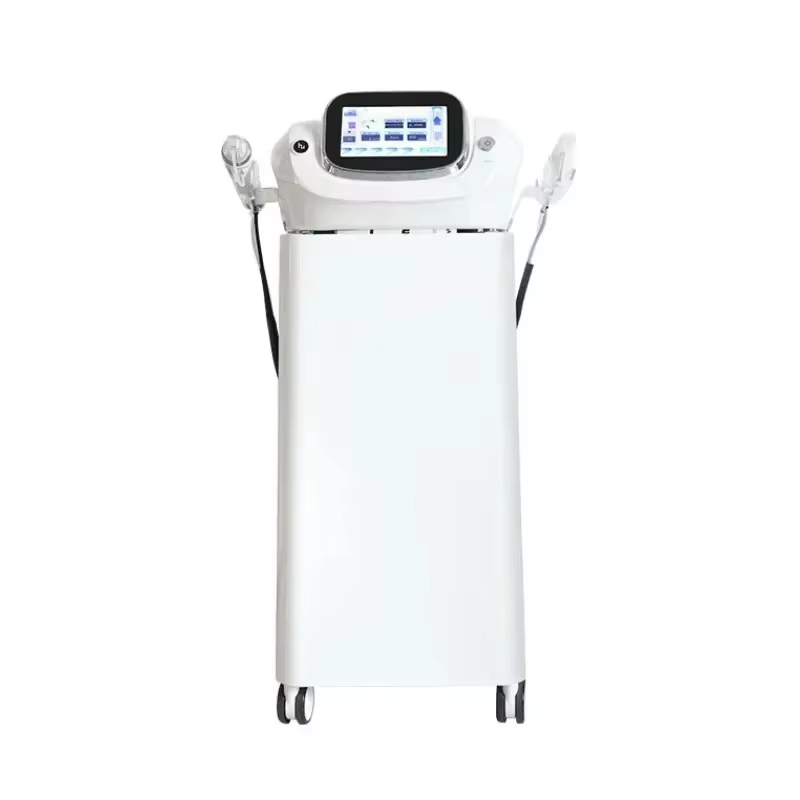
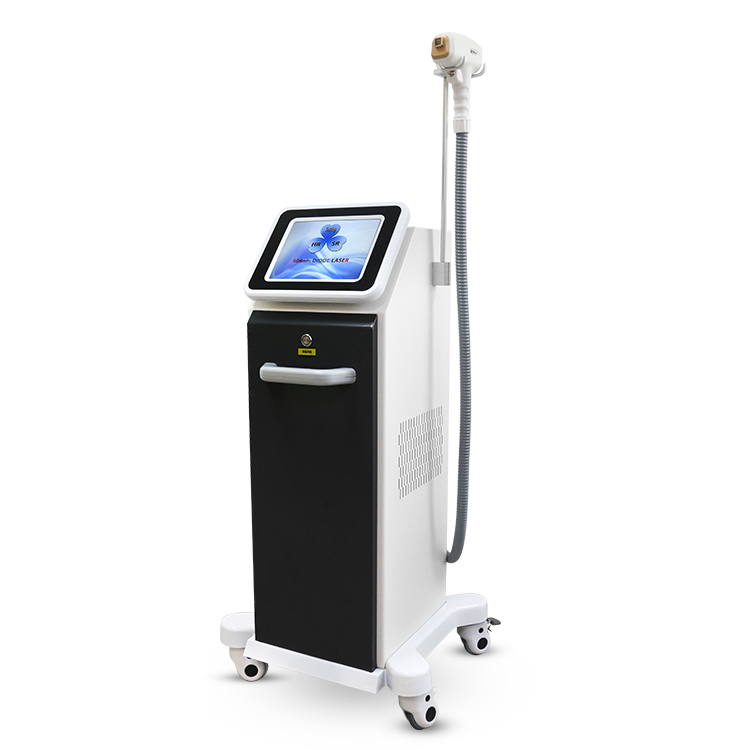
Choosing the right cavitation machine is about more than comparing prices or counting treatment handles. For salon owners, med spa operators, and beauty equipment distributors, the best machine is one that matches the services you plan to offer, fits your operating requirements, and comes with dependable technical support.
An ultrasonic caitation machine is a non-invasive aesthetic device that uses ultrasound energy to target localized areas of the body for contouring purposes. Depending on the model, a professional cavitation machine may also incorporate radiofrequency (RF), vacuum technology, or other treatment functions.
But not every machine delivers the same capabilities. Frequency specifications, acoustic output, handpiece design, operating protocols, and regulatory documentation all deserve careful attention before you invest.
In this guide, we explain how cavitation machines work, compare popular machine configurations, and outline the most important factors to consider when purchasing equipment for a professional salon.
What Is a Cavitation Machine?
A cavitation machine is an aesthetic device designed to deliver energy into targeted tissue using a specified technology. In the beauty industry, the term most commonly refers to an ultrasonic cavitation machine used for non-invasive body contouring.
Ultrasound devices deliver sound energy through a treatment applicator. Depending on the device design and operating parameters, this energy can produce mechanical effects and, in some applications, thermal effects in tissue.
The term cavitation describes the formation or activity of small gas bubbles in a liquid or tissue environment under certain conditions. However, the exact mechanism and expected outcome depend on the technology being used. A consumer-facing label such as “40K cavitation machine” does not, by itself, establish clinical effectiveness or treatment depth.
For professional buyers, the key question is not simply whether a machine advertises cavitation technology. It is whether the manufacturer’s documentation supports the device’s intended use, operating parameters, safety measures, and performance claims.
How Does an Ultrasonic Cavitation Machine Work?
An ultrasonic cavitation machine delivers ultrasound energy through a handpiece placed against the skin, typically with a suitable coupling gel to maintain contact.
The general treatment process involves three stages:
1. Ultrasound energy delivery
The applicator transfers ultrasound energy into the targeted area according to the device’s design and operating settings.
2. Interaction with tissue
The delivered energy may produce mechanical or thermal effects. These effects vary with frequency, intensity, exposure duration, applicator design, and the tissue being treated.
3. Assessment of the treatment outcome
A qualified practitioner evaluates the treated area and monitors the client’s response according to the manufacturer’s instructions and the applicable professional protocol.
It is important to understand that non-invasive body contouring is not the same as weight-loss treatment. The U.S. Food and Drug Administration (FDA) explains that non-invasive body contouring may change the appearance or circumference of a treated area, but it does not treat obesity or provide the health benefits associated with weight loss.
What Types of Cavitation Machines Are Available?
Professional cavitation machines generally fall into several categories. The right configuration depends on the treatments a business intends to offer, the available budget, and the evidence supporting each device’s intended use.
1. Standalone Ultrasonic Cavitation Machine
A standalone cavitation machine focuses primarily on ultrasound-based treatments.
Best suited for: Businesses that want to evaluate a dedicated ultrasound platform before investing in a multifunction system.
What to look for:
-
- Clearly documented operating frequency and output specifications.
-
- A handpiece designed for the intended treatment area.
-
- Adjustable settings with understandable operating instructions.
-
- Documented cleaning, maintenance, and safety procedures.
-
- Access to replacement handpieces and technical support.
A single-function machine may be easier to evaluate and maintain than a platform with numerous unrelated treatment modalities.
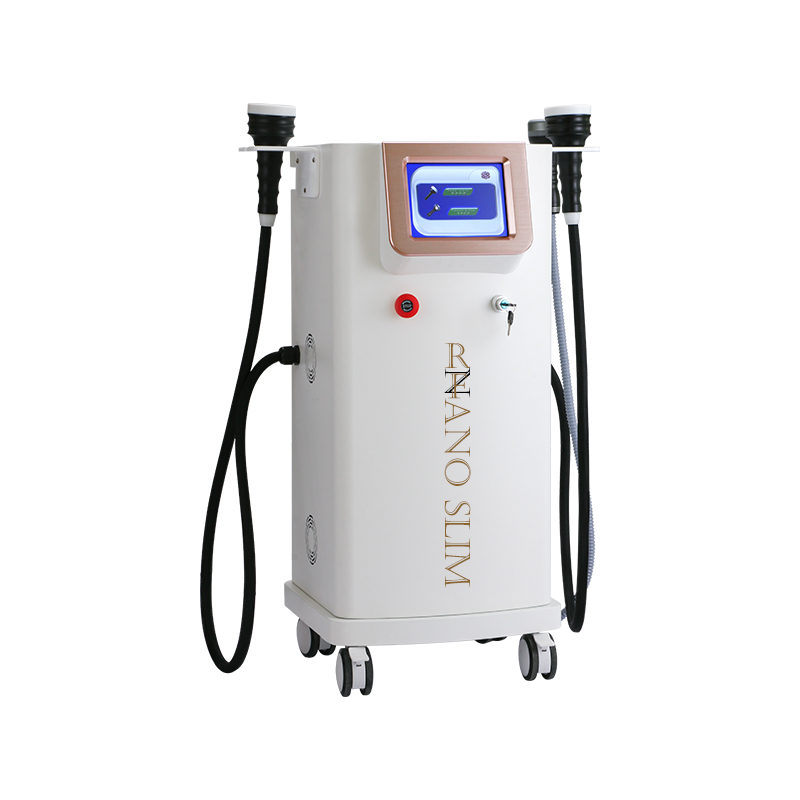
2. 40K Cavitation Machine
A 40K cavitation machine is commonly marketed in the professional beauty equipment market as a body-contouring device operating at a nominal frequency of 40 kHz.
The “40K” label describes a frequency specification, not a guaranteed level of effectiveness. Buyers should compare the complete technical specifications rather than assume that a particular frequency automatically delivers better results.
Best suited for: Buyers comparing equipment marketed for localized body-contouring services who want a clearly specified ultrasound configuration.
Before purchasing, verify the actual operating frequency, output characteristics, recommended application areas, and manufacturer-supported treatment protocol.
3. Cavitation RF Machine
A cavitation RF machine combines an ultrasound handpiece with one or more radiofrequency applicators.
Ultrasound and RF are different technologies. Ultrasound delivers acoustic energy, while RF devices use electrical energy to produce tissue effects that depend on their design and operating parameters.
Potential advantages for salon operations:
-
- More than one treatment modality in a single platform.
-
- Flexible service planning where each modality is appropriate.
-
- Fewer separate devices to accommodate in a limited treatment room.
However, combining technologies does not automatically improve results. Each modality should have its own clearly documented intended use, instructions, contraindications, and safety procedures.
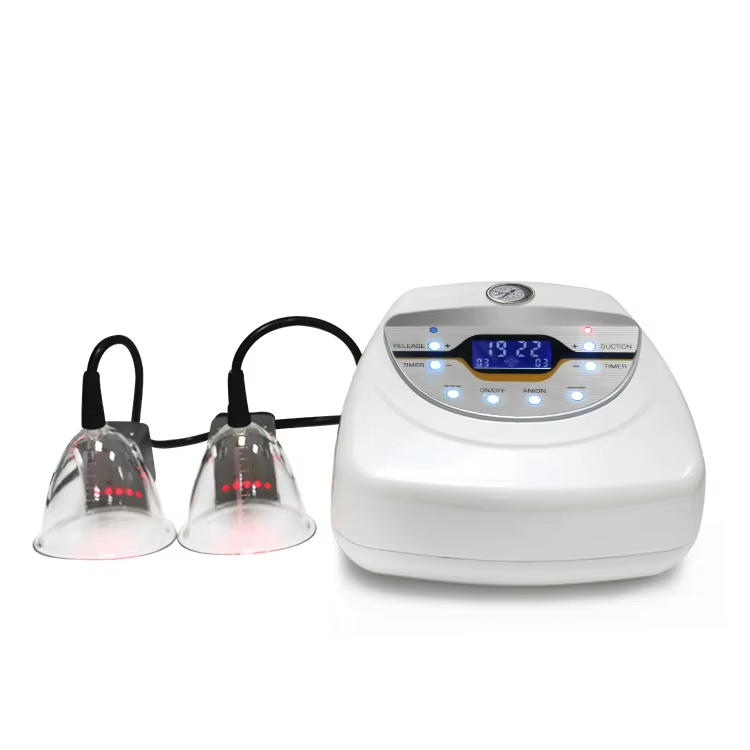
4. Cavitation Vacuum RF Machine
A cavitation vacuum RF machine typically combines an ultrasound applicator with a vacuum-assisted RF handpiece.
Vacuum systems mechanically draw tissue into an applicator, while RF delivers energy according to the device’s design. These functions should be assessed separately because they do not necessarily share the same indications or risks.
Best suited for: Salons that have a defined business case for offering multiple body-aesthetic services and have the training and space to support the additional functions.
Check vacuum intensity controls, handpiece ergonomics, cleaning requirements, consumables, and the availability of replacement parts before making a decision.
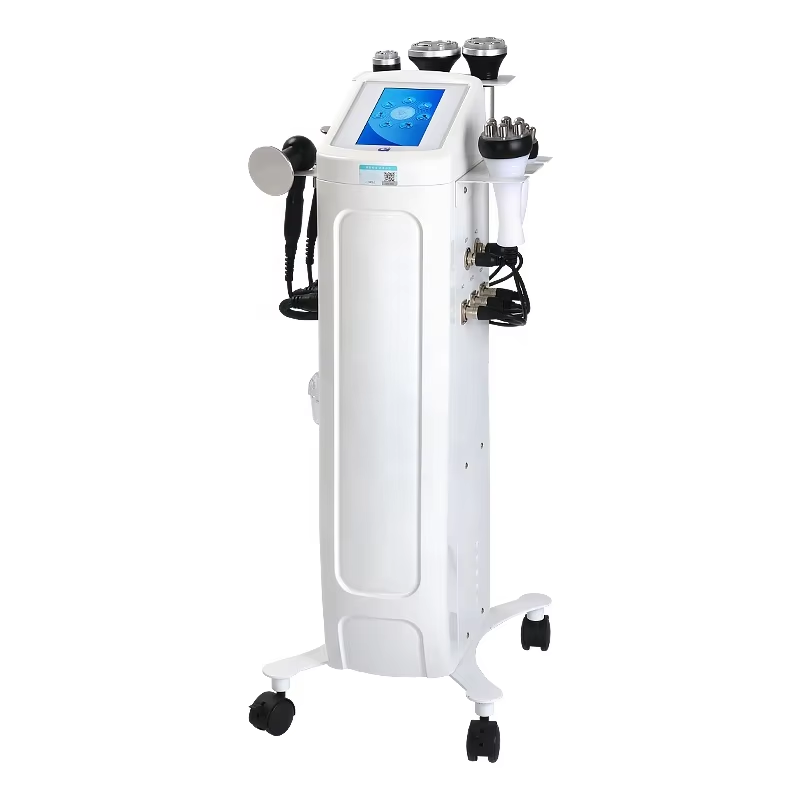
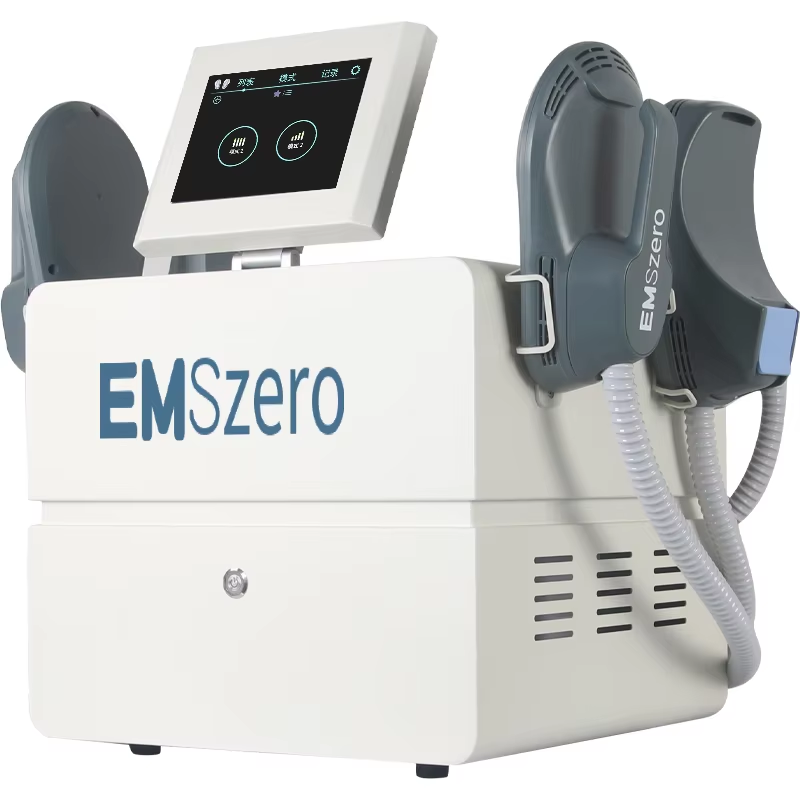
5. Multifunction Cavitation Machine
A multifunction cavitation machine may include ultrasound, RF, vacuum, laser-based accessories, EMS, or other technologies.
These machines can be attractive to businesses seeking a broad service menu, but the number of functions should not be the main purchasing criterion.
A practical evaluation should ask:
-
- Which functions will actually be used?
-
- Are the handpieces and operating parameters fully documented?
-
- Does each function have an appropriate intended-use statement?
-
- Can the supplier provide training and technical support for every included modality?
-
- What will maintenance and replacement parts cost over the equipment’s service life?
A well-supported four-function machine may be a better investment than a more complicated platform whose additional functions are rarely used.
How to Choose the Best Cavitation Machine for Your Salon
The best professional cavitation machine is not necessarily the most expensive or the one with the most attachments. Use the following criteria to compare shortlisted models.
1. Match the Machine to Your Service Menu
Start by identifying the treatments you intend to offer and the areas of the body covered by the manufacturer’s instructions.
If your business focuses on ultrasound-based body contouring, prioritize the core cavitation specifications. If you plan to offer RF or vacuum-assisted treatments, evaluate those functions independently.
Do not pay for accessories simply because they appear in a product bundle. Every additional function should have a clear operational purpose.
2. Verify Frequency and Output Specifications
Frequency and output are important, but neither should be considered in isolation.
When comparing cavitation machines, request:
-
- Nominal and actual operating frequency, where applicable.
-
- Acoustic output specifications and the method used to measure them.
-
- Applicable intensity or power settings.
-
- Applicator dimensions and design.
-
- Recommended exposure parameters.
-
- Evidence supporting the stated treatment performance.
Be cautious of claims that a higher frequency, higher wattage, or larger number automatically guarantees deeper penetration or better results. Actual tissue effects depend on multiple technical and biological factors.
3. Evaluate the Handpieces
The handpiece is one of the most important parts of a cavitation machine because it directly affects how the device is applied.
Inspect the following:
-
- Applicator construction and contact surface.
-
- Cable flexibility and connector durability.
-
- Ergonomics during repeated treatments.
-
- Cooling requirements and temperature monitoring, if applicable.
-
- Cleaning and disinfection instructions.
-
- Availability and replacement cost of each handpiece.
Ask the supplier to identify the purpose of every included applicator and provide the corresponding operating instructions.
4. Consider Build Quality and Daily Workload
A machine used in a busy salon faces different demands from one used occasionally.
Evaluate the stability of the cart, screen readability, connector quality, ease of moving the device, and the manufacturer’s stated operating limits.
Request information about expected service life, maintenance intervals, warranty exclusions, and the availability of spare parts.
A supplier that can explain how the equipment is maintained is generally easier to evaluate than one that relies entirely on marketing claims.
5. Check Training and Technical Support
Operator training is essential when equipment delivers energy into tissue.
Before placing an order, confirm whether the supplier provides:
-
- A complete user manual.
-
- Initial setup guidance.
-
- Training materials appropriate to the device.
-
- Troubleshooting instructions.
-
- Technical support during the warranty period.
-
- Access to replacement parts and authorized servicing.
For distributors, also consider whether the manufacturer can support reseller training, product documentation, and after-sales inquiries in the target market.
6. Verify Regulatory Status for Your Market
Regulatory compliance should be checked against the exact model and its intended use.
For buyers in the United States, do not treat “FDA registered,” “FDA listed,” and “FDA cleared” as interchangeable claims. FDA establishment registration or device listing does not, by itself, mean that the agency has approved or cleared a product.
Ask the manufacturer for the exact regulatory documentation applicable to the device, including any relevant FDA clearance information where required. Verify the product and its stated intended use in official FDA databases when applicable.
For other markets, check the relevant requirements for device classification, conformity assessment, labeling, electrical safety, and importation.
7. Compare Total Cost of Ownership
The purchase price is only one part of the investment.
Calculate the total cost of ownership by considering:
-
- Initial equipment cost.
-
- Shipping, duties, and applicable taxes.
-
- Installation and staff training.
-
- Consumables and cleaning supplies.
-
- Warranty coverage and exclusions.
-
- Replacement handpieces and spare parts.
-
- Maintenance and repair costs.
-
- Expected equipment downtime.
For wholesale buyers, request a written quotation that specifies the model, configuration, quantity, warranty, lead time, shipping terms, and included accessories.
8. Review Supplier Reliability
A reliable cavitation machine supplier should be able to answer technical questions clearly and provide documentation that matches the exact model being quoted.
Before committing to a large order, ask for product specifications, operating manuals, warranty terms, service arrangements, and references or verifiable customer feedback where available.
For OEM or private-label projects, clarify customization options, quality-control procedures, packaging requirements, minimum order quantities, and responsibility for market-specific regulatory documentation.
9. Confirm the Warranty and After-Sales Process
A warranty is valuable only when its coverage and limitations are clear.
Ask whether the warranty covers the main unit, individual handpieces, cables, screens, and other accessories. Confirm who pays for return shipping, how diagnostic support works, and whether replacement parts can be obtained without replacing the entire system.
For businesses that depend on daily treatments, response times and repair logistics can be as important as the initial purchase price.
Cavitation Machine Comparison: Which Configuration Is Right for You?
| Machine type | Main consideration | Potential buyer fit |
|---|---|---|
| Standalone cavitation | Core ultrasound function | Businesses prioritizing a dedicated platform |
| 40K cavitation | Verified 40 kHz operating specification | Buyers comparing machines marketed around this frequency |
| Cavitation + RF | Separate ultrasound and RF functions | Salons planning multiple modalities |
| Cavitation + vacuum RF | Vacuum-assisted applicator and RF function | Businesses with a specific service plan for these features |
| Multifunction cavitation | Number, quality, and documentation of included functions | Established salons or distributors needing a broader equipment offering |
This table is a purchasing framework, not a clinical ranking. The suitability of a device depends on its technical specifications, intended use, supporting evidence, and local regulatory requirements.
What Should You Ask Before Buying a Cavitation Machine?
Use this checklist when contacting manufacturers or distributors.
-
- What is the exact model number and intended use?
-
- What are the operating frequency and output specifications?
-
- What technical or clinical evidence supports the product claims?
-
- Which handpieces are included in the quotation?
-
- What training and operating documentation are supplied?
-
- What contraindications and warnings are listed in the manual?
-
- What regulatory documentation applies to the target market?
-
- What is covered by the warranty, and for how long?
-
- Are replacement handpieces and spare parts available?
-
- What are the lead time, shipping terms, and after-sales arrangements?
A supplier that provides specific, consistent answers makes it easier to compare machines on their actual capabilities rather than on promotional language.
Safe Operation and Client Expectations
Cavitation machines should only be operated in accordance with the specific manufacturer’s instructions and applicable professional requirements.
Ultrasound-based body-contouring procedures can cause adverse effects, including pain, swelling, blistering, burns, or nerve injury. The risks depend on the technology, treatment parameters, and individual circumstances.
The FDA identifies open wounds, compromised skin, certain implanted devices, and metal beneath the skin in the treatment area among important considerations for ultrasound-based body-contouring procedures. These restrictions should be reviewed against the device-specific labeling and the client’s circumstances.
Before treatment, practitioners should review relevant medical history, follow the manufacturer’s contraindications, use the specified coupling medium where required, and maintain appropriate contact between the applicator and skin.
Do not promise a specific amount of fat loss, permanent results, or guaranteed circumference reduction. Results vary, and non-invasive body contouring is not a substitute for weight management or medical treatment.
Frequently Asked Questions About Cavitation Machines
What is a cavitation machine used for?
A cavitation machine is used in aesthetic settings for specified body-contouring applications. The exact purpose depends on the technology, model, and manufacturer-approved intended use. It should not be marketed as a general weight-loss solution.
What is the difference between a cavitation machine and an RF machine?
A cavitation machine marketed for body contouring typically uses ultrasound energy, whereas an RF machine uses radiofrequency energy. The two technologies produce different physical effects and have different technical requirements. A combination machine includes separate functions that should be evaluated individually.
Is a 40K cavitation machine better than a 30K model?
Not necessarily. The frequency number alone cannot establish which machine performs better. Compare verified operating specifications, output characteristics, intended use, safety documentation, and evidence supporting the manufacturer’s claims.
Is a multifunction cavitation machine worth buying?
It may be worthwhile when the additional functions align with your service menu and can be supported by adequate training and maintenance. If several attachments will rarely be used, a simpler machine may offer better value.
Are cavitation machines FDA approved?
There is no single answer for every product sold under the name “cavitation machine.” FDA regulatory status depends on the specific device, its classification, intended use, and applicable regulatory pathway. Registration or listing alone does not establish FDA clearance or approval. Buyers should verify the exact product and claims rather than rely on a general marketing statement.
How do I find a reliable cavitation machine manufacturer?
Look for a manufacturer that supplies detailed specifications, model-specific manuals, verifiable regulatory documentation where applicable, clear warranty terms, replacement parts, and responsive technical support. For bulk purchasing, request a formal quotation and confirm quality-control and after-sales arrangements before placing a production order.
Can a cavitation machine help with weight loss?
Non-invasive body contouring may change the appearance of a targeted area, but it is not a treatment for obesity and should not be promoted as a method for achieving general weight loss. Expected outcomes and limitations should be discussed honestly with clients.
Final Thoughts: Choose a Cavitation Machine Based on Evidence, Not Just Features
The best cavitation machine for a salon is the one that fits the business’s intended services, operating capacity, training resources, and budget while meeting the applicable safety and regulatory requirements.
Before buying, compare the complete technical specifications, verify the manufacturer’s claims, inspect the handpieces, and review the warranty and after-sales process. A thoughtful evaluation helps salon owners and distributors make a more informed investment and build services around realistic client expectations.
For professional buyers, the most useful next step is to request a model-specific specification sheet, operating manual, warranty statement, and quotation. These documents provide a stronger basis for comparison than headline wattage, frequency labels, or the number of advertised functions.
Disclaimer: This article is for general informational purposes only and does not constitute medical, legal, or regulatory advice. Device suitability, operating requirements, and regulatory obligations vary by product and jurisdiction. Always consult the applicable device documentation and relevant qualified professionals.